
How can you select the ideal monologue for your audition? Here are our tips on relevance, character connection, and authenticity.
Selecting the perfect monologue for an audition can be a daunting task for actors at any stage of their career. It's not just about finding something that showcases your talent. It's about connecting with the character, conveying emotions authentically, and leaving a lasting impression on the casting directors. In this guide, we will explore the essential tips and strategies to help you choose the ideal monologue for your audition.
Understanding the Purpose of a Monologue
Understanding the Purpose of a Monologue
Before we discuss the selection process, it's crucial to understand the purpose of a monologue in an audition setting. A monologue serves as a window into the actor's ability to embody a character, convey emotions, and engage the audience or casting panel. It's a chance to showcase your range, depth, and interpretive skills within a brief performance.
Relevance to the Audition
Relevance to the Audition
One of the most important factors to consider when choosing a monologue is its relevance to the audition you're attending. Research the production, the character types being cast, and the overall tone of the project. Select a monologue that aligns with the genre, style, and themes of the production. For example, if you're auditioning for a Shakespearean play, choose a monologue from one of his works that reflects the language and atmosphere of the play.
Character Connection
Character Connection
A strong emotional connection to the character you're portraying is essential for a compelling monologue performance. Choose a monologue that resonates with you on a personal level or allows you to tap into your own experiences and emotions. Look for characters with whom you can empathize or relate to aspects of their journey. Your authenticity and sincerity in portraying the character will shine through and captivate the audience.
Range and Complexity
Range and Complexity
Opt for a monologue that showcases your range as an actor and challenges you to explore different emotions and dynamics. Avoid monologues that are one-dimensional or lack depth. Look for pieces that allow you to navigate through a range of emotions, from joy and humor to sadness and vulnerability. A well-rounded performance demonstrates your versatility and ability to command the stage.
Length and Timing
Length and Timing
Consider the length of the monologue and the time constraints of the audition. Choose a piece that fits within the designated time frame without feeling rushed or truncated. Keep in mind that casting directors often have limited time to assess each actor, so selecting a concise yet impactful monologue is key. Aim for a duration that allows you to fully engage with the character and convey their journey effectively.
Authenticity and Originality
Authenticity and Originality
Above all, strive for authenticity and originality in your monologue selection and performance. Avoid clichéd or overdone monologues that lack freshness and creativity. Instead, explore lesser-known works or reinterpret familiar pieces in a unique way. Infuse your own voice, perspective, and interpretation into the character, making it a memorable and authentic portrayal that stands out from the crowd.
Monologues for Drama Auditions
Monologues for Drama Auditions
These monologues are centered around intimate and emotionally charged stories that explore themes of love, loss, relationships, and personal struggle. They would be well-suited for auditions in drama, theater, or film productions that focus on character-driven narratives, human relationships, and emotional depth. Actors auditioning for roles in dramas, romantic films, or theater productions with complex characters and emotional arcs would find these monologues particularly relevant.
 I'm Not Afraidby Andrew KoomanBecky, a talented dancer has fallen for a cute guy named Joseph at College. In the middle of the semester, Joseph has a breakdown and is hospitalized. When the doctors diagnose his schizophrenia, Becky is at his bedside. Joseph wants to be healed by faith alone while Becky encourages medical treatment.
An excellent monologue for workshops and auditions.1 characters5 minView details
 To Bee or Not to Beeby Tracy WellsCasey is an actress with big dreams of making it on Broadway. So why is she stuck in this enormous, uncomfortable bumblebee suit? In this hilarious 10 minute monologue, Casey will recount her path to making her dream a reality, and the roles she regrets along the way. This comedic monologue allows the actor great opportunities for characterization and physical comedy, and leaves the audience laughing as they see "whatever will bee, will bee."1 characters10 minView details
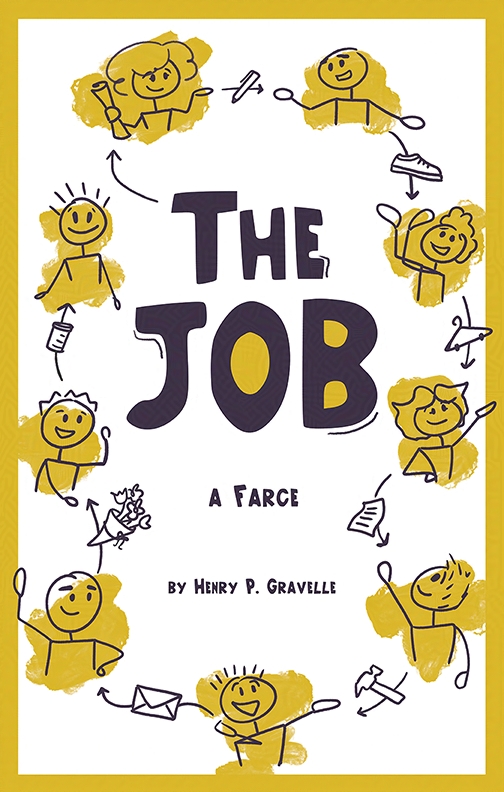 The Job - A Farceby Henry P. GravelleWhile taking a lemonade break from raking the lawn, Henry relates to a neighbor (audience) how his retirement has created a series of jobs throughout Town, one being his son's first.1 characters5 minView details
Monologues for Religious Auditions
Monologues for Religious Auditions
This group of scripts would be best suited for auditions in religious or spiritual settings, such as church events, Christian theater productions, or auditions for religious-themed films or plays. These monologues delve into themes of faith, redemption, and spiritual transformation, making them ideal for roles that require actors to portray characters grappling with profound religious experiences or biblical narratives.
 Eyewitness - An Easter Monologueby Craig JosephA nameless woman reflects upon her experience discovering Jesus' empty tomb on Easter morning. The piece is written to stand alone in a worship service or occur with musical underscoring and then lead into a musical worship set.1 characters5 minView details
 Notorious to Glorious: Their sin made them notorious. The Son made them glorious.by Rebecca LaVerneRevisit biblical storytelling with "Notorious to Glorious: The Woman at the Well" by Rebecca Wimmer on Scriptmore. This five-minute monologue presents the life of one of the Bible's most notorious characters in her own words. She tells of her sad existence before meeting Jesus and then of the surprising and powerful transformation His glorious love and grace brought into her life. The script can be performed in either period costume or modern clothing.1 characters5 minView details
Monologues for Historical Auditions
Monologues for Historical Auditions
This group of scripts leans more towards monologues with historical or political themes, often addressing themes of oppression, resilience, and survival. They would be suitable for auditions for historical dramas, political plays, or films with themes of persecution, survival, and resilience. Actors auditioning for roles that require them to portray characters facing political turmoil, historical events, or challenging circumstances would find these monologues fitting for their auditions.
 They Tried To Destroy Usby Andrew KoomanAfter years of imprisonment in a Soviet jail, Elsie speaks. Her captors tried to destroy the life and faith that sent her and members of her church to a prison where she was thrown into solitary confinement and regularly tortured.
In this short monologue, Elsie gives a glimpse at not only the things she suffered and the reason she was able to survive but at her inspiring courage and faith.
A fantastic monologue for auditions and workshops.1 characters3 minView details
 Break Off Your Own Chainsby Andrew KoomanMicah, imprisoned for his faith in Communist Romania after the end of World War II, is pushed past the breaking point and takes up the tactics of his torturers to escape further suffering. In this short monologue he reveals the reason he abandoned his faith to collaborate with the brutal regime.
A monologue that's excellent for auditions and workshops.1 characters3 minView details
 After All Thisby Andrew KoomanRichard, imprisoned for his faith in Communist Romania after the end of World War II, is in a small cell that's underground with no light. His only connection to the outside world are the regular beatings he receives at the hands of the guards, and the short messages tapped out in Morse Code by other prisoners.
In this monologue, Richard reflects on the meaning, if any, of his suffering. Perfect for workshops and auditions.1 characters3 minView details
Audition Success
Audition Success
Choosing the perfect monologue for your audition requires careful consideration, research, and introspection. By focusing on relevance, character connection, range, authenticity, and timing, you can select a monologue that showcases your talent and leaves a lasting impression on casting directors. Remember, the goal is not just to deliver a flawless performance but to connect with the character and the audience on a deeper level. With practice, patience, and perseverance, you can master the art of choosing the perfect monologue and take your audition experiences to new heights.
About the author
Jennifer Sheriff
Jennifer is a contributor to Scriptmore, an online marketplace that provides a convenient platform for actors, directors, and theater groups to find, buy, and sell scripts. Scriptmore is dedicated to making this process easier and more accessible than ever before.