
Our Blog / Monologue Scripts: Powerful Stories for One Actor
Monologue Scripts: Powerful Stories for One Actor
A great monologue proves that theater doesn’t need a large cast, an elaborate set, or a complicated production to make an impact. With one actor, one voice, and one compelling point of view, a monologue can be funny, moving, suspenseful, thought-provoking—or all of those things in just a few minutes.
Monologue scripts can serve many different purposes. Actors often use them for auditions, classroom assignments, competitions, workshops, and portfolio performances. Schools can include several monologues in a drama showcase, giving individual students the opportunity to take center stage.
Churches and ministry teams can use monologues to explore biblical stories, personal testimony, faith, and perseverance in a format that fits easily into a service or special event. Community theaters can present them as part of an evening of short works or use them to introduce new performers to the stage.
For actors, monologues offer a creative challenge. There’s no scene partner to carry part of the conversation, redirect the energy, or provide the next cue. The performer must hold the audience’s attention from beginning to end. That makes monologues an excellent way to develop important acting skills, including vocal expression, pacing, physical presence, emotional range, and character development.
Monologues also teach actors how to listen—even when no one else is speaking. A well-performed monologue should feel like part of a larger story. The character may be responding to someone, remembering an earlier event, wrestling with a decision, or addressing the audience directly. Understanding what the character wants and why they are speaking helps transform a memorized speech into a living moment.
Short monologue scripts provide a manageable introduction to memorization and performance without requiring weeks of group rehearsals. Students can work independently, receive focused coaching, and build confidence before taking on a larger role. More experienced performers can use monologues to explore complex characters, experiment with new styles, and refine the smallest details of their delivery.
For directors and teachers, one-person scripts are practical. Rehearsals are easier to schedule, staging can remain simple, and productions generally require fewer costumes, props, and technical cues. A monologue can be performed on a full theater stage, in a classroom, at a church, or in nearly any space where an actor and audience can gather.
Scriptmore’s current selection of monologues includes one-character scripts ranging from approximately two to ten minutes, with stories that move from playful comedy to deeply personal reflections on courage, identity, loss, and faith.
Whether you need an audition piece, a classroom performance, a competition script, or a complete story that can stand on its own, these one-actor scripts show just how much theater can accomplish with a single voice.
The Job - A Farce

The Job - A Farce
By Henry P. GravelleWhile taking a lemonade break from raking the lawn, Henry relates to a neighbor (audience) how his retirement has created a series of jobs throughout Town, one being his son's first.
View DetailsTo Bee or Not to Bee

To Bee or Not to Bee
By Tracy WellsCasey is an actress with big dreams of making it on Broadway. So why is she stuck in this enormous, uncomfortable bumblebee suit? In this hilarious 10 minute monologue, Casey will recount her path to making her dream a reality, and the roles she regrets along the way. This comedic monologue allows the actor great opportunities for characterization and physical comedy, and leaves the audience laughing as they see "whatever will bee, will bee."
View DetailsApril Rain - A Monologue
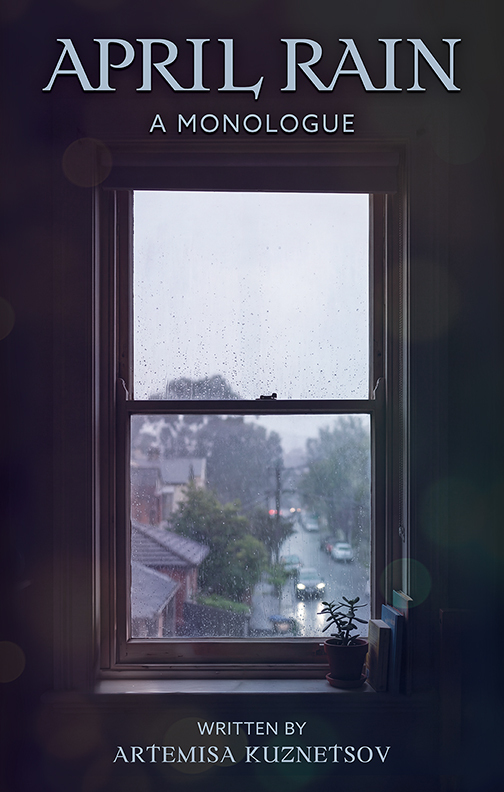
April Rain - A Monologue
By Artemisa KuznetsovOn a quiet April afternoon, an eleven-year-old girl watches a spring rainstorm from the safety of her bedroom. Caught in the "in-between" space of no longer being a child but not yet a grown-up, she weighs the comfort of her cozy room against the "braver" world waiting outside. Through the rhythm of the rain, she finds a soft acceptance of her own messy process of growing up.
View DetailsEyewitness - An Easter Monologue

Eyewitness - An Easter Monologue
By Craig JosephA nameless woman reflects upon her experience discovering Jesus' empty tomb on Easter morning. The piece is written to stand alone in a worship service or occur with musical underscoring and then lead into a musical worship set.
View DetailsThe Day the Magic Stopped

The Day the Magic Stopped
By Andrew KoomanBryan, a teenager, learns that his girlfriend is pregnant. It rocks his world. And even though he’s terrified about the future, his biggest concern is what will happen to the baby, since his girlfriend won’t talk to him anymore and has booked an appointment at an abortion clinic. An excellent monologue for workshops and auditions.
View DetailsContinue reading and being inspired
Murder Mystery Play Scripts for Schools and Community Theater
Murder mystery play scripts for schools and community theater, from comedies and whodunits to interactive shows for casts of every size.
Script Spotlight: Nothing, or The Day When No One Killed Anyone. Almost.
Absurdist detective comedy play: Serhiy Kotsun's Nothing... sends an Inspector to solve a crime that never happened. Six roles, flexible staging.
Short Skits for Kids: Fun, Flexible Scripts for Young Performers
Short skits for kids are perfect for schools, churches, and drama clubs. Discover why brief scripts build confidence, teach acting basics, and deliver big fun in minutal stage time.